
Plant-Based Ingredients in Modern Medicine
Discover how botanical compounds from nature are reshaping contemporary healthcare and wellbeing. Explore evidence-based insights into the science behind traditional plant wisdom.
Botanical Sources Showcase
Nature provides a wealth of plant-based compounds studied for their potential roles in supporting human wellbeing and modern therapeutic approaches.
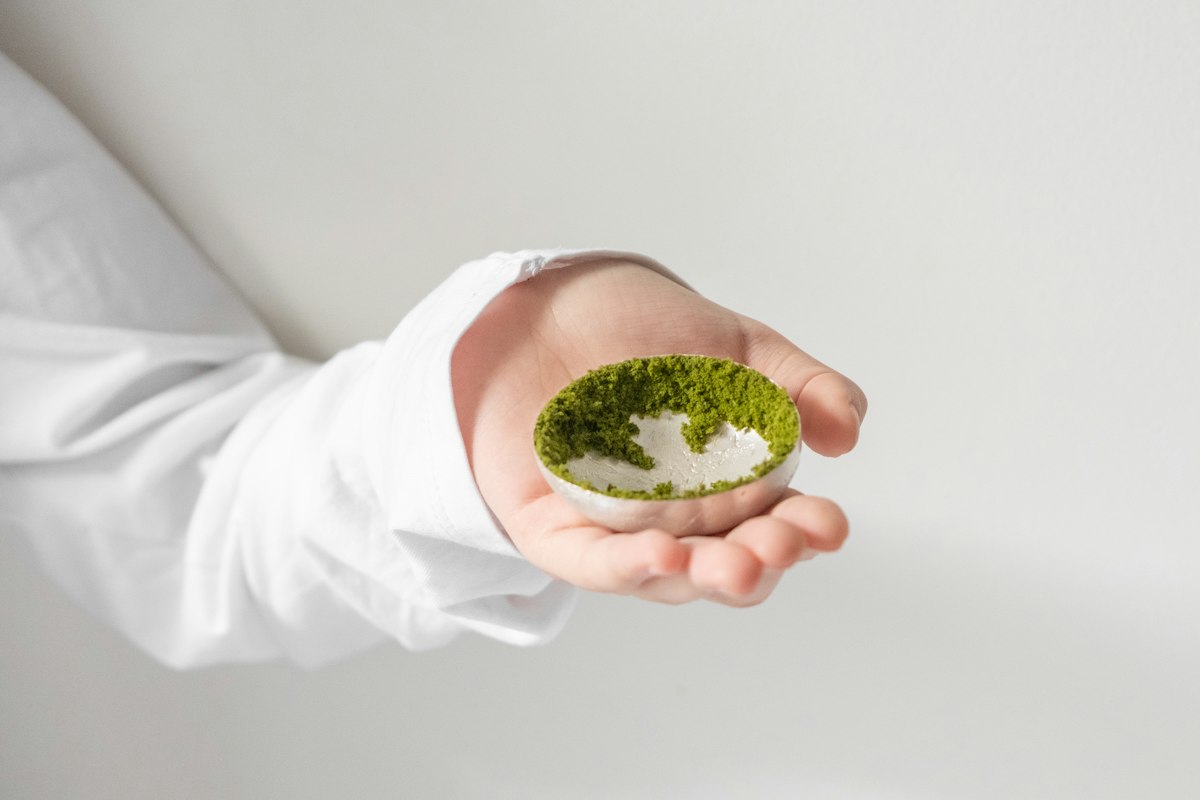
Turmeric
A golden spice rich in curcuminoids, traditionally used in Ayurvedic practices and now extensively studied in contemporary research for its bioactive properties.
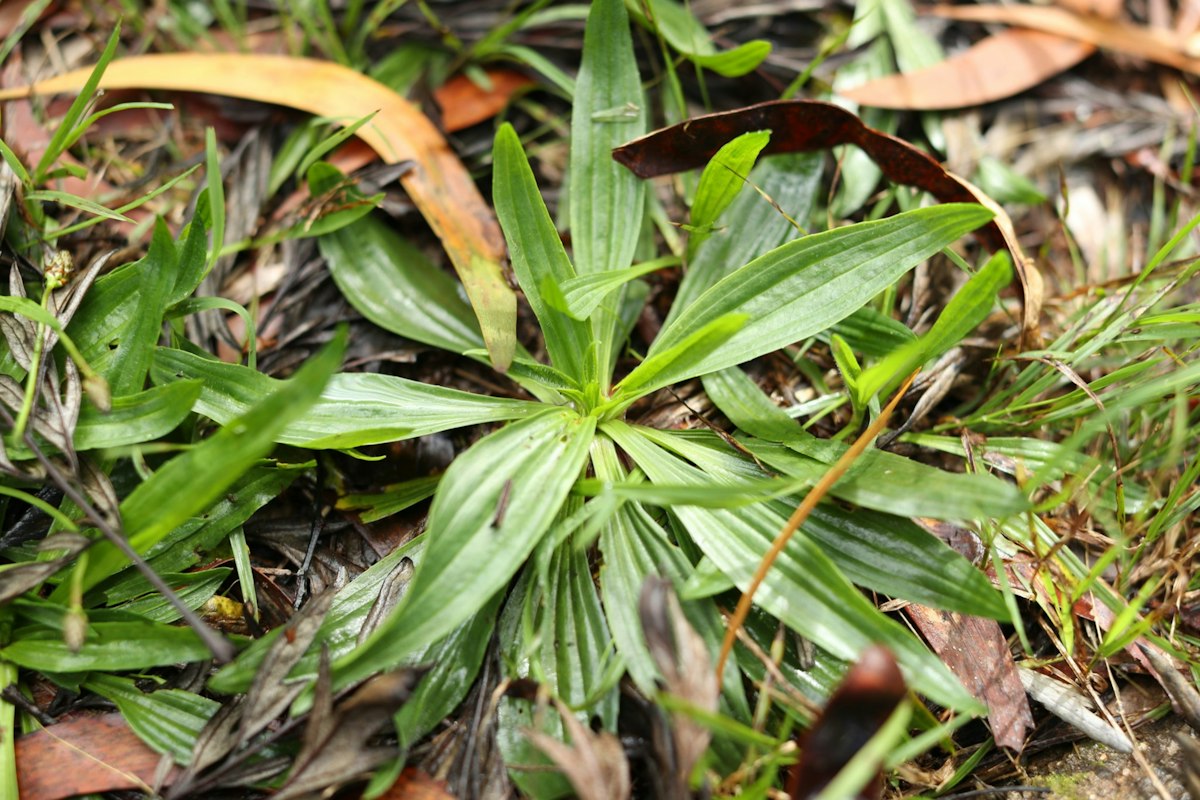
Ginger
A rhizome packed with gingerols and shogaols, ginger has been valued across cultures for centuries and continues to attract scientific attention for its diverse applications.

Green Tea
A beverage rich in polyphenols and catechins, green tea represents one of the most studied plant sources in modern nutritional science and wellbeing research.
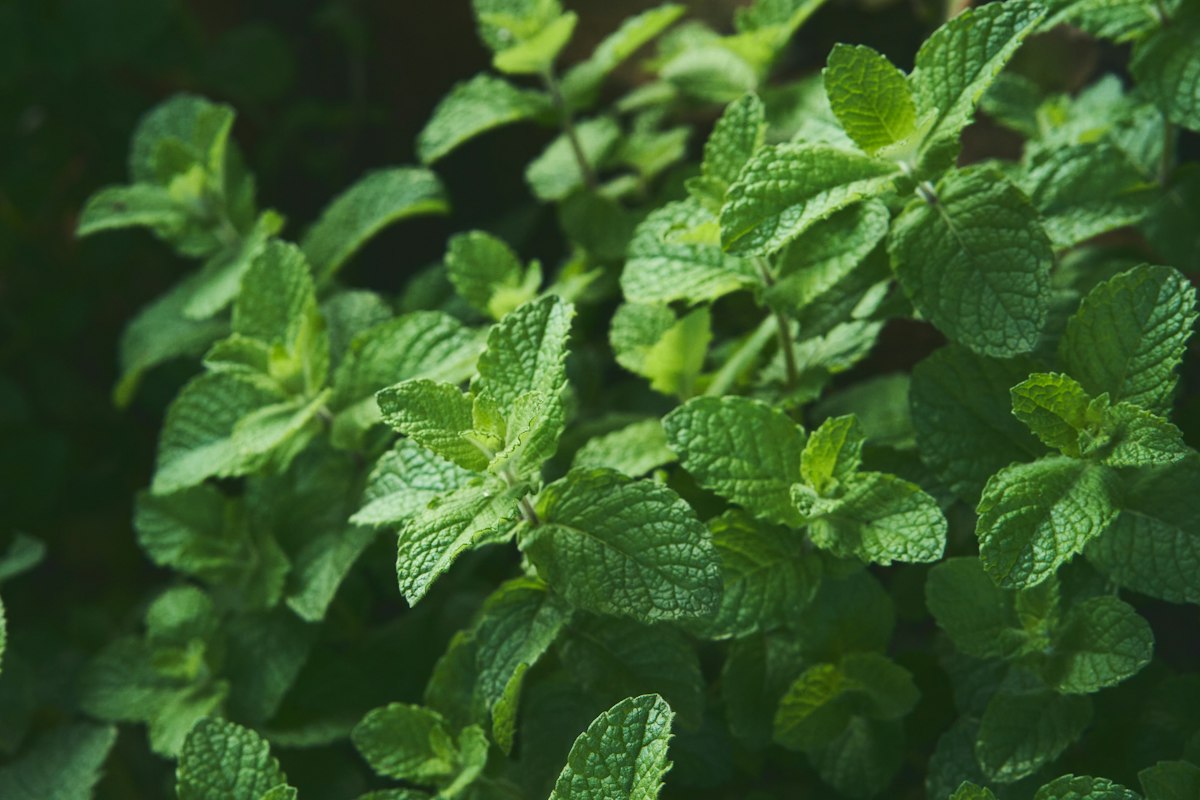
Garlic
Rich in allicin and sulfur compounds, garlic has maintained its place in both culinary and wellness traditions, backed by growing modern scientific investigation.
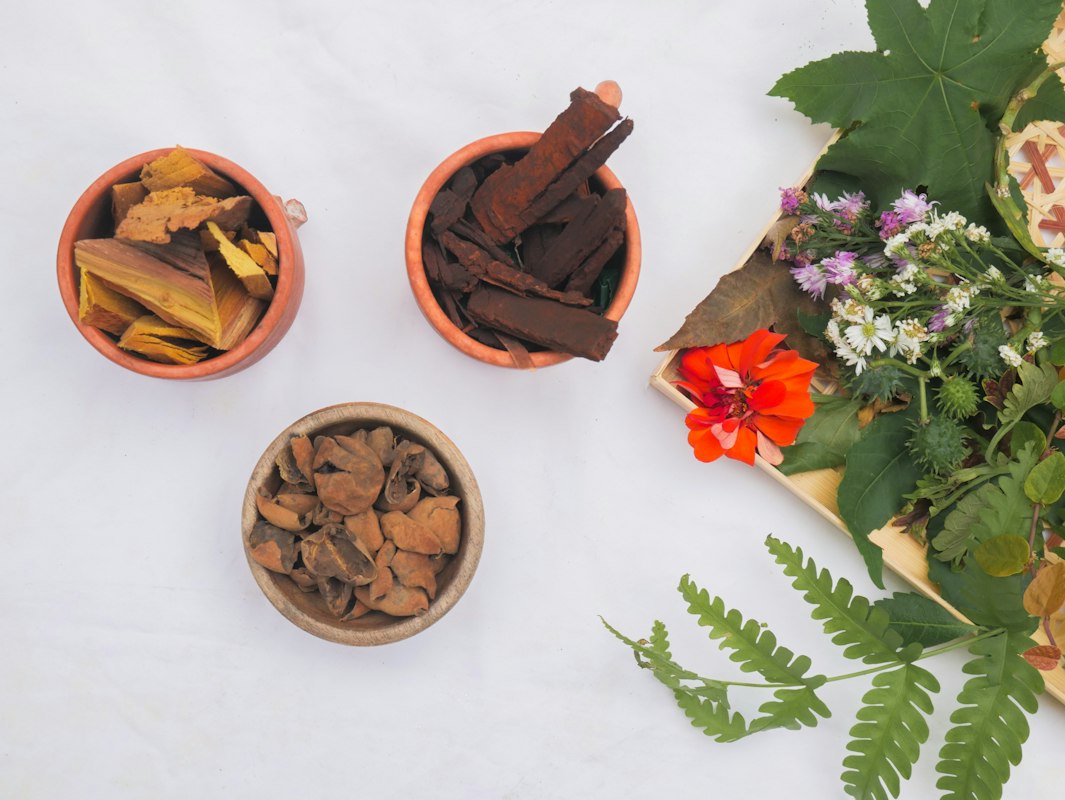
Ginkgo Biloba
An ancient tree extract containing flavonoids and terpenoids, Ginkgo biloba exemplifies how traditional remedies are validated through contemporary botanical research.
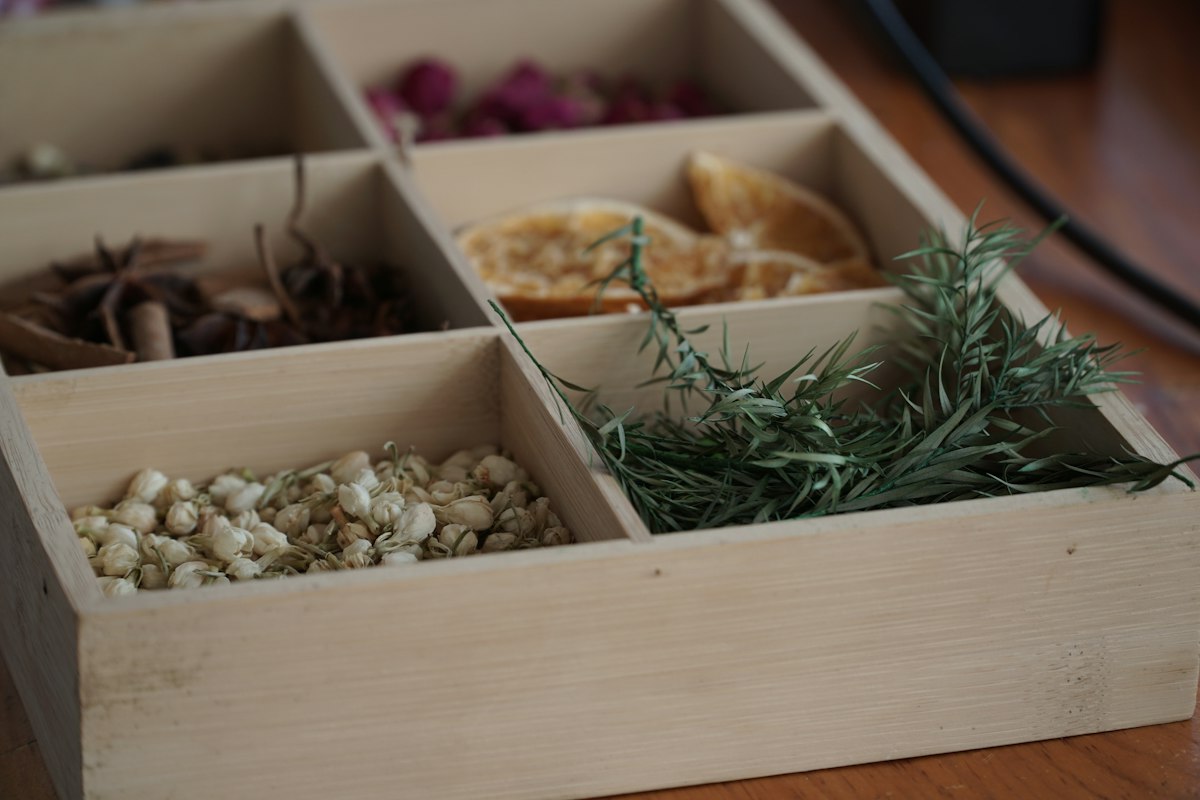
Echinacea
A North American plant with a rich traditional history, Echinacea continues to be a focal point in phytochemical research and contemporary wellness discussions.
Nature's Healing Revolution
The intersection of traditional botanical knowledge and modern scientific inquiry has opened new horizons in understanding how plant-derived compounds interact with human physiology. What our ancestors knew through centuries of practical experience is now being validated through rigorous laboratory analysis and clinical observation.
At Novalusqm, we bring you curated educational content exploring this fascinating convergence—examining the evidence, clarifying misconceptions, and presenting a balanced view of how plant-based ingredients contribute to contemporary approaches to health and nutrition.
The Scale of Plant-Based Research
A growing body of scientific literature examines plant-based compounds, reflecting increasing interest from researchers and practitioners worldwide.
Extensive Botanical Study
Thousands of peer-reviewed studies examine plant-derived compounds annually, representing a major focus in contemporary nutritional and phytochemical research.
Global Research Network
Institutions across continents collaborate on plant-based research, creating a rich international dialogue about traditional practices and modern validation.
Diverse Plant Species
From traditional medicinal plants to common culinary herbs, a wide spectrum of botanical sources attracts ongoing scientific investigation and discovery.
Advanced Analysis Methods
Modern laboratory techniques allow unprecedented detailed examination of plant compounds, revealing mechanisms and applications previously unknown.
Key Medicinal Properties of Plant-Based Ingredients
Understanding the specific compounds and their studied roles helps clarify why plant-based ingredients remain central to contemporary nutritional science.
Antioxidant Compounds
Many plants contain polyphenols, flavonoids, and other molecules that interact with free radicals. This property has made them subjects of extensive research into oxidative stress and cellular health.
Bioactive Alkaloids
Alkaloid compounds found in various plants have been studied for their ability to interact with biological systems. Understanding these interactions is a key focus of modern phytochemistry.
Volatile Essential Oils
Aromatic compounds in plants like lavender, peppermint, and eucalyptus have aroused scientific curiosity regarding their absorption and biological activity when used in various applications.
Glycosides and Tannins
These complex molecules, abundant in traditional remedies, represent an ongoing research frontier in understanding how plant components support nutritional and wellness frameworks.
Ancient Wisdom Meets Modern Science
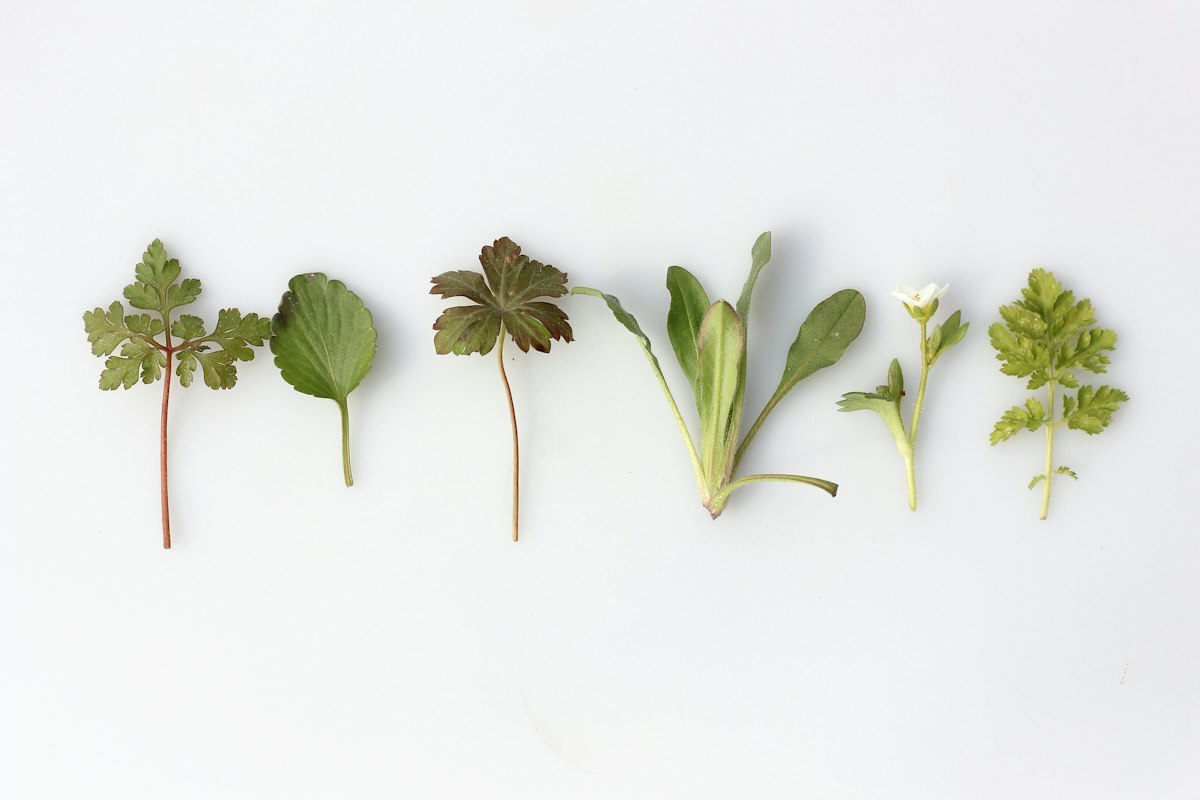
For thousands of years, cultures across the globe have relied on plant-based remedies. Traditional Chinese medicine, Ayurveda, Indigenous American practices, and European herbalism all developed sophisticated systems for using botanical materials. These traditions represent accumulated practical knowledge passed through generations.
Today, modern scientific methods provide new tools to investigate these traditional practices. High-performance liquid chromatography, mass spectrometry, and cellular research allow us to identify specific compounds, understand their chemical structures, and examine how they interact with human biology.
This convergence is not about validating tradition for tradition's sake, but rather creating a dialogue where both empirical observation and laboratory analysis contribute to our understanding. Some traditional uses align with contemporary research findings, while others prompt researchers to ask new questions or refine understanding.
Explore ResearchCommon Questions Answered
Clarifying key concepts about plant-based ingredients and their role in contemporary health and wellness discussions.
Plant-based compounds refer to chemical molecules naturally occurring in plants—including alkaloids, terpenoids, polyphenols, and glycosides. These substances have been used historically in various healing traditions and now form the subject of contemporary scientific research. They represent diverse chemical families with different properties and potential interactions with human physiology.
Real Stories From Practitioners
Hear from nutritionists, herbalists, and wellness professionals about their experience with plant-based ingredients in modern practice.
"Novalusqm's content has significantly enriched my understanding of plant-based compounds. As a practising nutritionist, I appreciate the balanced approach that acknowledges both traditional knowledge and contemporary research. The botanical sourcing guides have become a reference tool in my practice."
Sarah Mitchell
Manchester, UK
"The research database and peer-reviewed summaries have streamlined my work as an herbalist educator. Being able to direct students toward well-researched, clearly explained information about plant compounds saves tremendous time and ensures accuracy in what I teach."
James Hendricks
Edinburgh, UK
"As a wellness consultant, I've relied on Novalusqm's articles to stay current with emerging research on botanical ingredients. The editorial team clearly separates evidence-based findings from marketing claims, which has become invaluable for informed client conversations."
Emma Richardson
Bristol, UK
Explore Our Research Database
Dive deeper into the science of plant-based ingredients. Browse our growing collection of articles, research summaries, and evidence-based guides to understanding botanical compounds in modern medicine and wellness.